Developing Tomorrow’s Workforce In Bedford County Classrooms
By George Berkheimer for the Bedford Gazette
New technologies, artificial intelligence and the demand for new skill sets are rapidly changing the workplace, meaning that college and career preparedness is more critical than ever.
In response, each of Bedford County’s five school districts is making strategic adjustments to ensure educators and students have the tools, resources and environment to adequately prepare for the next steps beyond school.
To start with, each school district is currently engaged in renovations of some sort, targeting energy savings with mechanical systems and LED lighting upgrades, improving security and structures, and modernizing classrooms to improve the learning environment.
The Northern Bedford County School District (NBC) has invested more than $6 million in upgrades since 2020, and current projects include a new 4,000 square foot wellness center, asbestos tile removal, and new kitchen equipment.
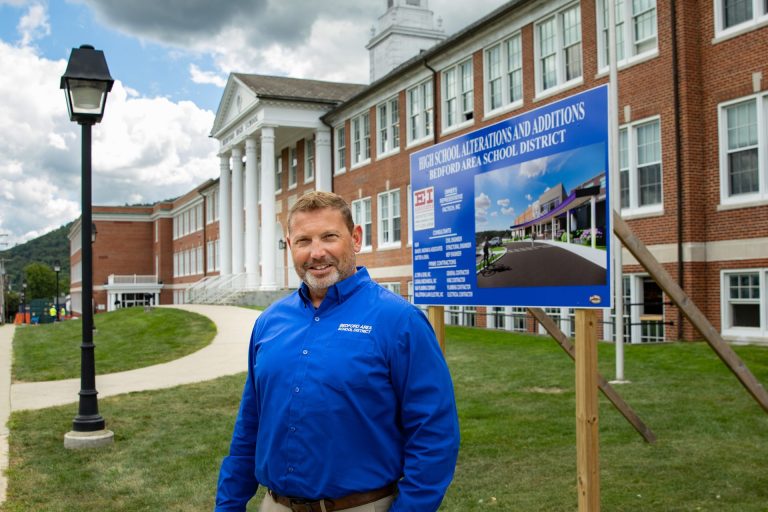
The Bedford Area School District’s (BASD) $50 million in investments will include an update to technology in its television studio and the improvement of virtually every aspect of its outdoor athletic assets, to include lighting, seating, concession areas, and the field and track surfaces.
Roof replacements are planned for Everett Area School District’s (EASD) Middle School and High School Building. Updated auditoriums are planned for BASD and NBCSD. Chestnut Ridge School District is building a new elementary school expected to cost approximately $30 million and open in time for the 2027-2028 school year. Those are just some of the highlights among a lengthy list of capital projects happening throughout the county.
Cutting Edge Technology
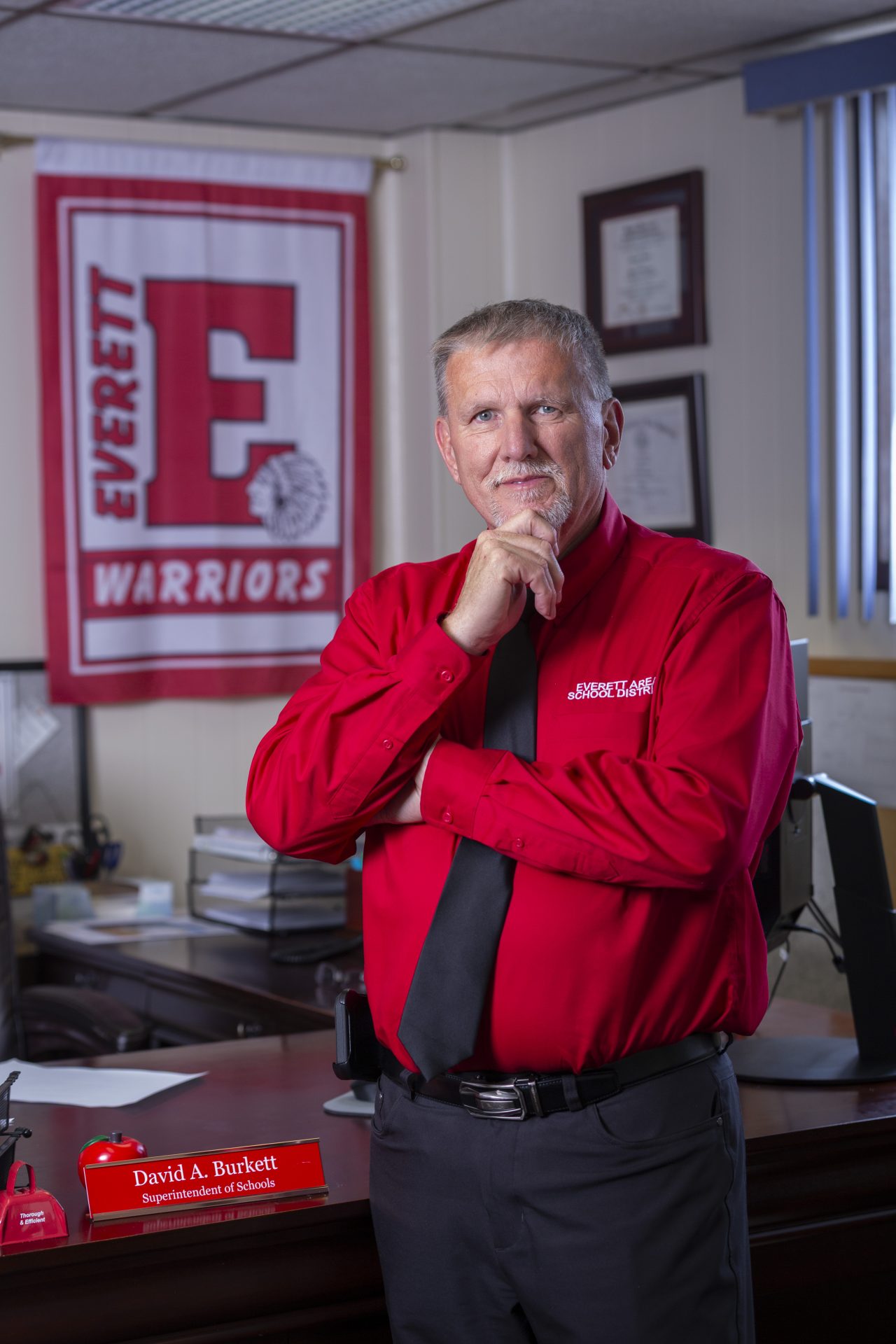
Superintendent David Burkett said EASD operates on a six-year curriculum cycle to ensure instruction materials remain current and align with standards. New English Language Arts, Math and Science programs were introduced in the last three years, and the next cycle will see new Social Studies materials adopted in the 2026-2027 school year.
“We intend to purchase an anatomage table,” he said, a 3D anatomy visualization tool that will enhance science and health curricula with hands-on learning experiences often found only in higher education or medical training settings.
“The classroom of the future must prepare students for emerging demands in the workplace,” Burkett said, which prompted an October professional development session at EASD to train staff to use generative AI as an instructional tool.
NBCSD has also purchased ViewSonic Boards that enable teachers to write or access digital tools during lessons without breaking the flow of instruction.
“We’re asking teachers and kids to do more, and AI is helping administrators write their memos and emails,” said BASD Superintendent Paul Ruhlman. “Students use AI and other technologies when they create their video packages.”
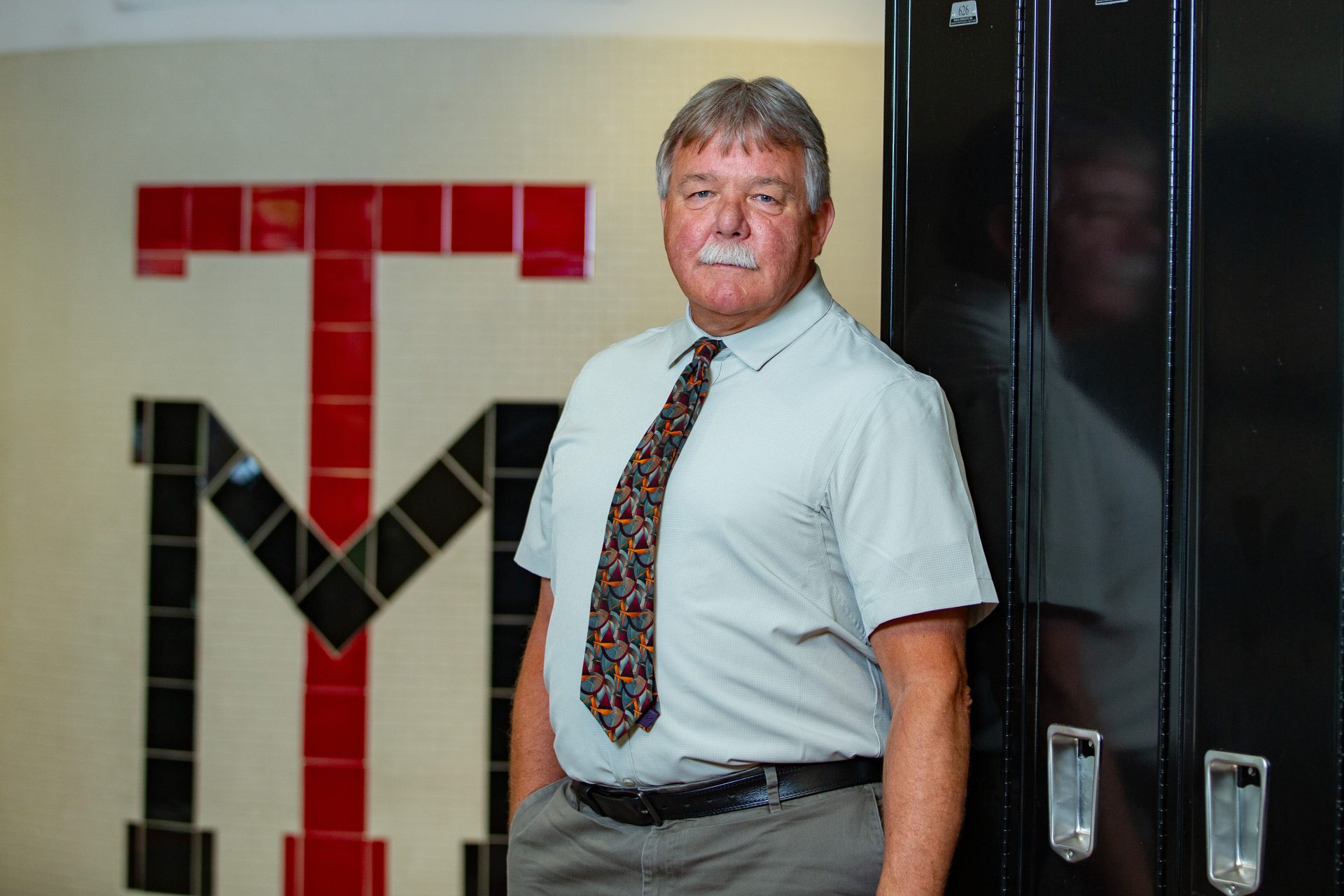
While there are tremendous possible upsides to AI, there is also the potential for harm, acknowledged Tussey Mountain School District (TMSD) Superintendent Jerry Shoemake.
“We’re developing policies, regulations and guidelines to use AI in our district, with input from several stakeholder groups,” he said.
“The opportunity is to prepare students for a workplace that will look very different than it does today and thoughtfully integrate tools that enhance teaching and learning, and that are flexible enough to adapt as innovations emerge,” said Kyle Kane, Chestnut Ridge School District (CRSD) Superintendent. “We will soon be hosting opportunities for students, parents and other community members to understand the capabilities and dangers of AI.”
Industry Support
County schools work with local industry partners to develop curricula and hone in on the skills and education that employers need.
“The most difficult arena to keep up with is within the engineering and manufacturing sectors,” Kane said. “CNCs, welders and laser cutters continue to evolve, and it’s nearly impossible to continually upgrade this technology for our students, so we continue to be creative and problem solve to give our young people access and experience.”
Burkett said EASD cultivates partnerships with local businesses, nonprofits, the Bedford County Technical Center (BCTC) and the Allegany College of Maryland to expose students to possible careers, access dual-enrollment, and give students hands-on learning experiences.
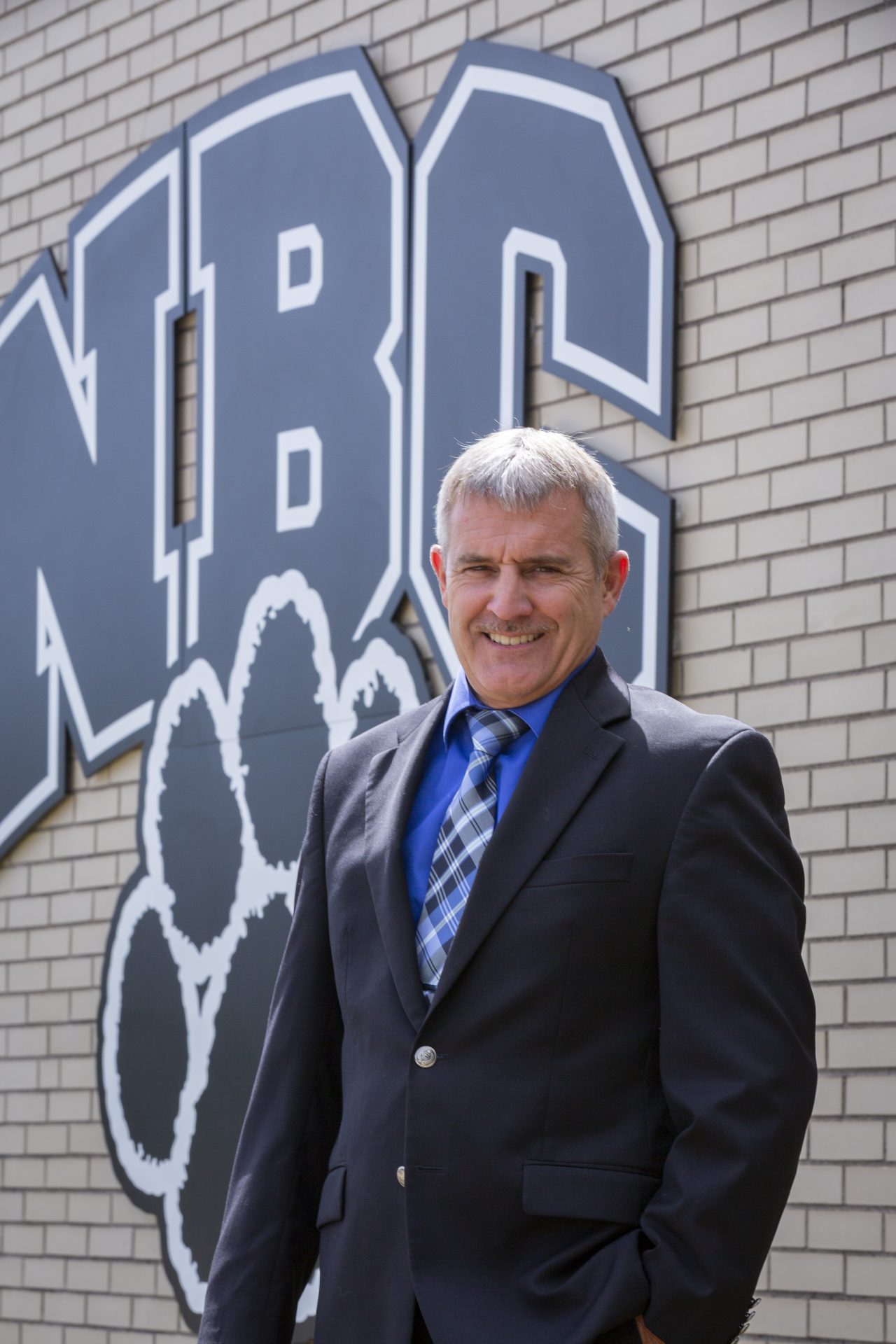
“Cottle’s Asphalt provided a tremendous amount of resources for our automotive students,” said NBCSD Superintendent Todd Beatty. “We’re also meeting with other local businesses that are interested in partnering with the district.”
TMSD works with local businesses who employ students to develop learning experiences that can lead to post-graduation employment, Shoemake said, and engages with Mount Aloysius College, St. Francis University, ACM and Penn State Altoona to develop dual enrollment opportunities.
“One aspect of workforce development that doesn’t get talked about much is developing the entire student,” Ruhlman said. “We concentrate on character and perseverance through our Bison Pride initiatives, doing things the right way and to the best of your ability, so that our students can go out and be great team workers, great team players, and great team leaders.”
Hands-On Experience
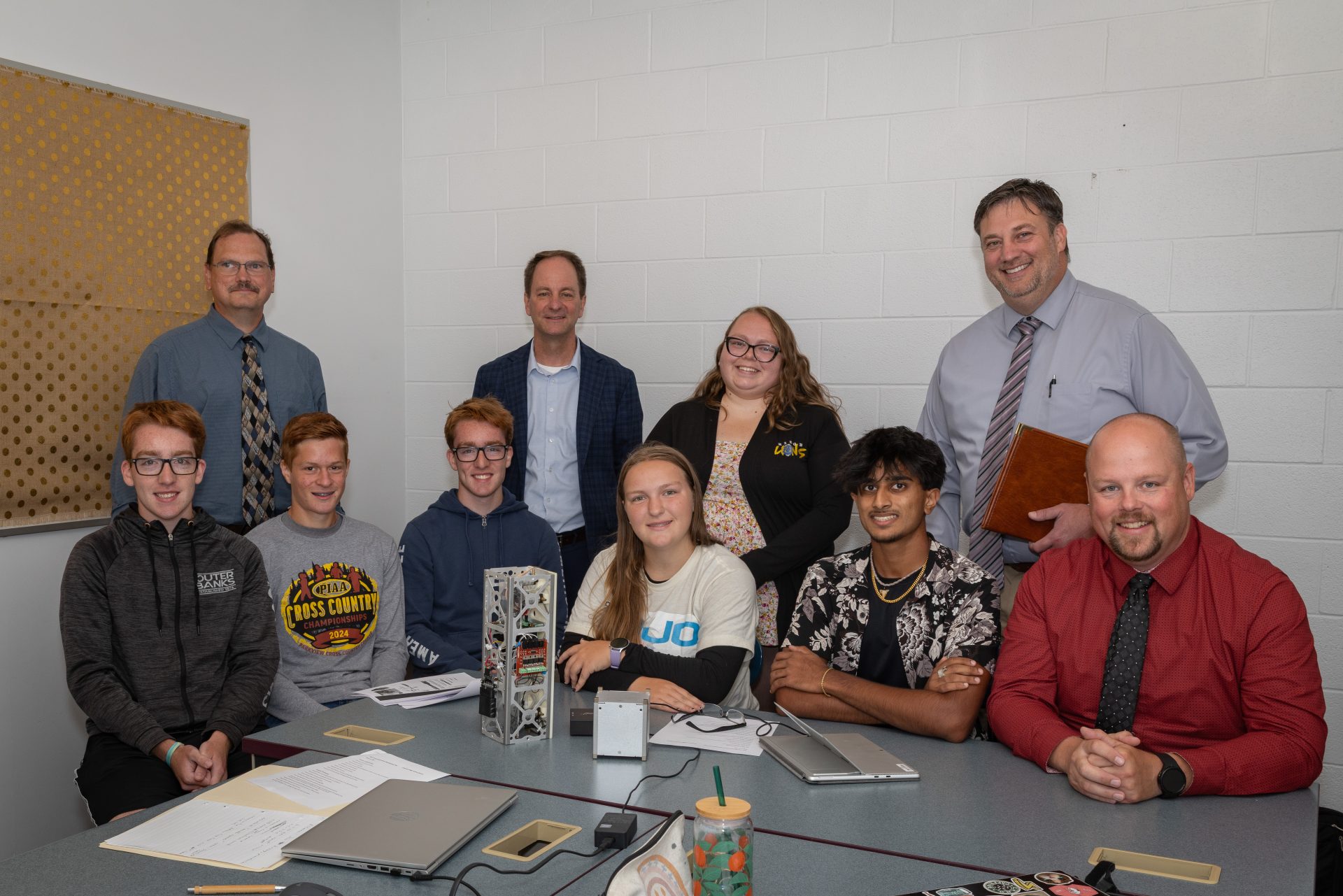
In terms of translatable skills, BASD Principal Kevin Steele said programs like BattleBots that are supported by Kennametal and other local employers have been successful in teaching robotics and 3D parts printing, skills that are applicable in the real world environment.
“We have a hiring fair each spring and community members help prepare our students for interviews,” added BASD Assistant Superintendent Brian Thompson. “We also work closely with BCTC on student placement as interns with employers. We get feedback from the students on what works and what needs improvement by holding exit interviews with our graduating seniors, and invite past graduates to share their experiences with us in the board room.”
Karen Eppley, BASD’s Transition Coordinator, noted that the school’s partnership with local employers provides meaningful exposure to potential employment for students with diagnosed disabilities.
“Homewood Living Springhouse warmly opened their doors for a job sampling program, giving our students with disabilities opportunities to explore maintenance, nursing, marketing, dietary service and reception careers,” she said. “Some of our students enter more supported employment in our school buildings, and our students also tour the Hiram G. Andrews Center in Johnstown to receive a full vocational evaluation and sample some of their programs.”
Positive Outlook
Taking all of these things into consideration, the county’s superintendents all agree that the outlook for education and meeting the future needs of the workplace is strong and positive.
“We’re seeing improvements in achievement and engagement, strengthened instructional capacity, and the benefits of universal free meals through the Community Eligibility Provision,” Burkett said.
“Our senior classes have averaged over 500 college credits upon graduation from Northern Bedford the past several years, and our district has always had a very high graduation rate,” added Beatty.
“We have a fair amount of industry for a small rural town, but that industry walks hand in hand with us because we’re a pipeline for them and they make sure we understand their needs,” Ruhlman said.
At TMSD, “We have developed a supportive and safe learning environment,” Shoemake said. “We’re constantly working to determine the needs of each individual student and working with teachers and local employment partners to develop curricula and teaching methods to meet those needs.”
“We’re fortunate to have a tremendous amount of community support, and a variety of stakeholders that trusts us and has our back,” added Ruhlman. “I can’t say enough about that, because that’s not the case in every community you see.”
If there is one problem to acknowledge, “It’s that we haven’t always done the best job of advertising our successes,” Kane said. “Our students excel in Advanced Placement and dual-enrollment courses, they earn industry certifications and achieve at levels near or at the top in the region. We’re proud of the many ways our students contribute to Bedford County and beyond the county.”